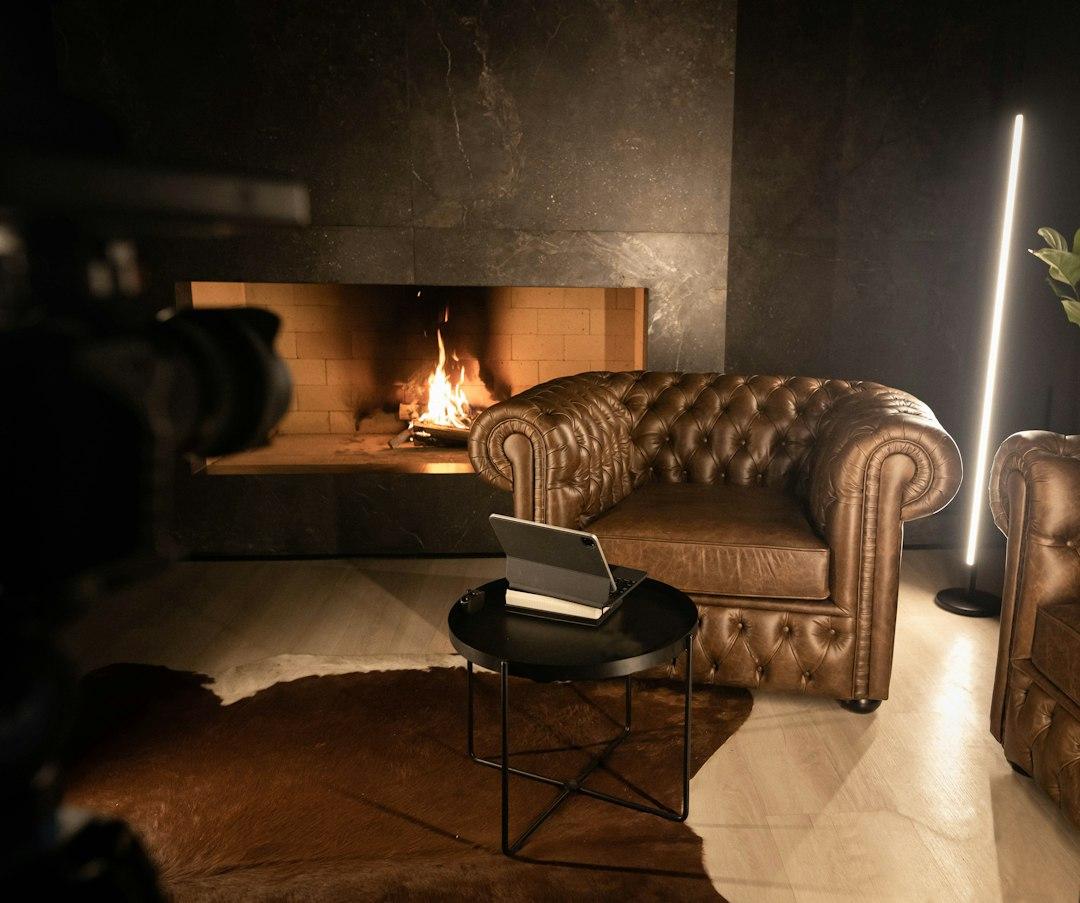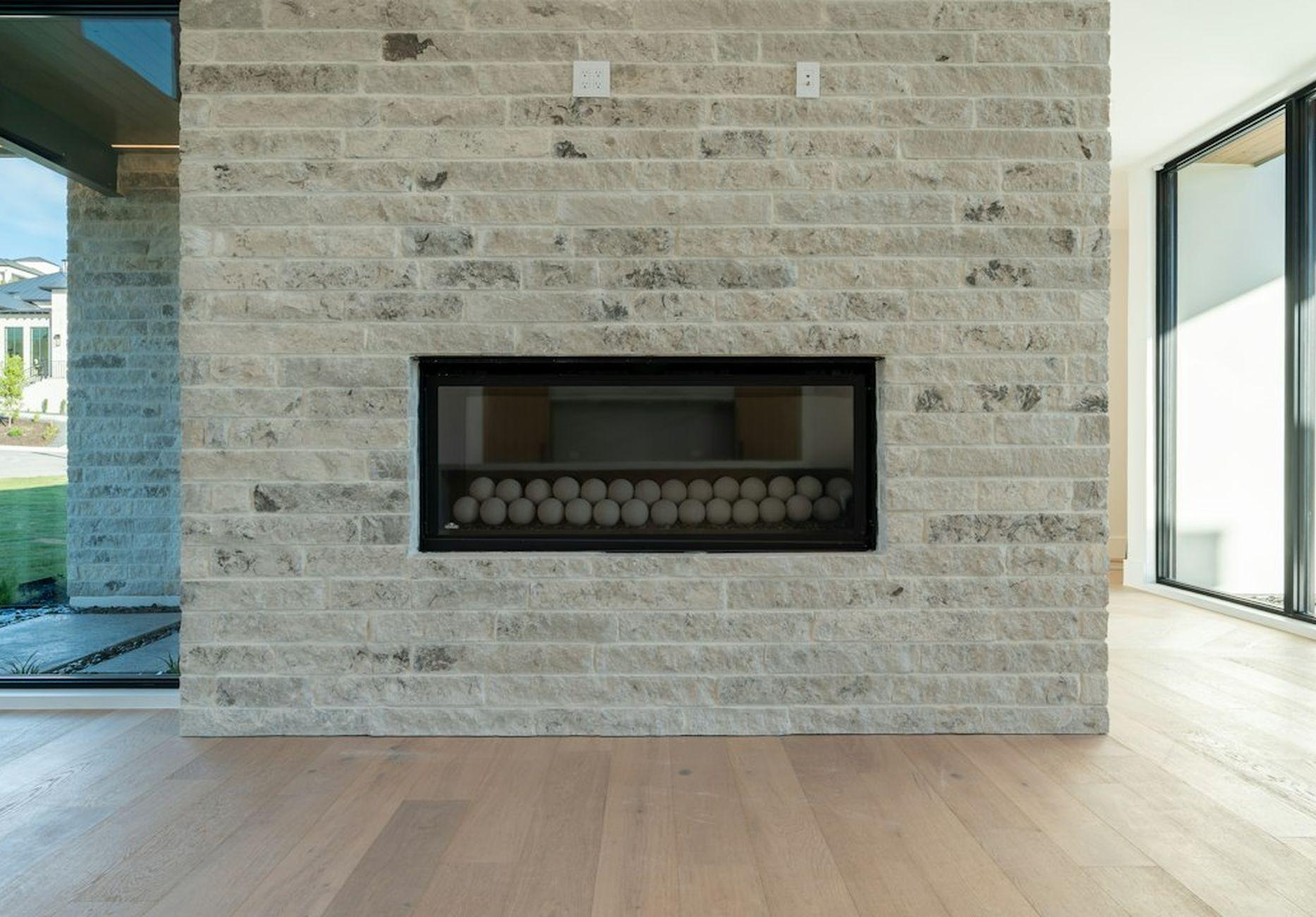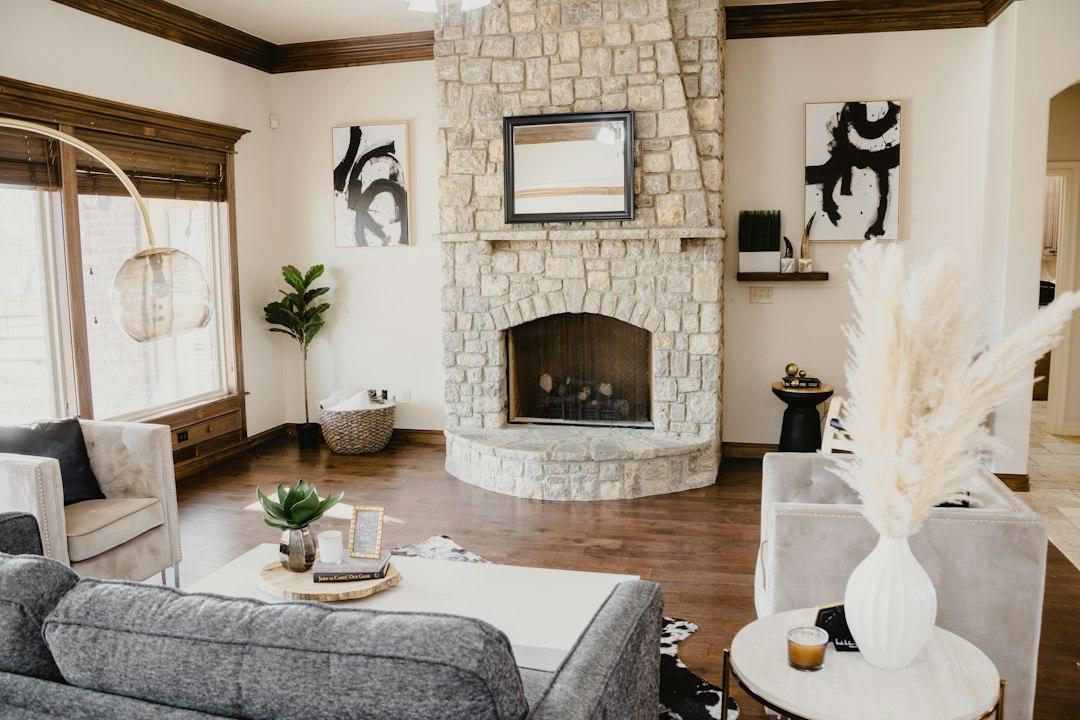
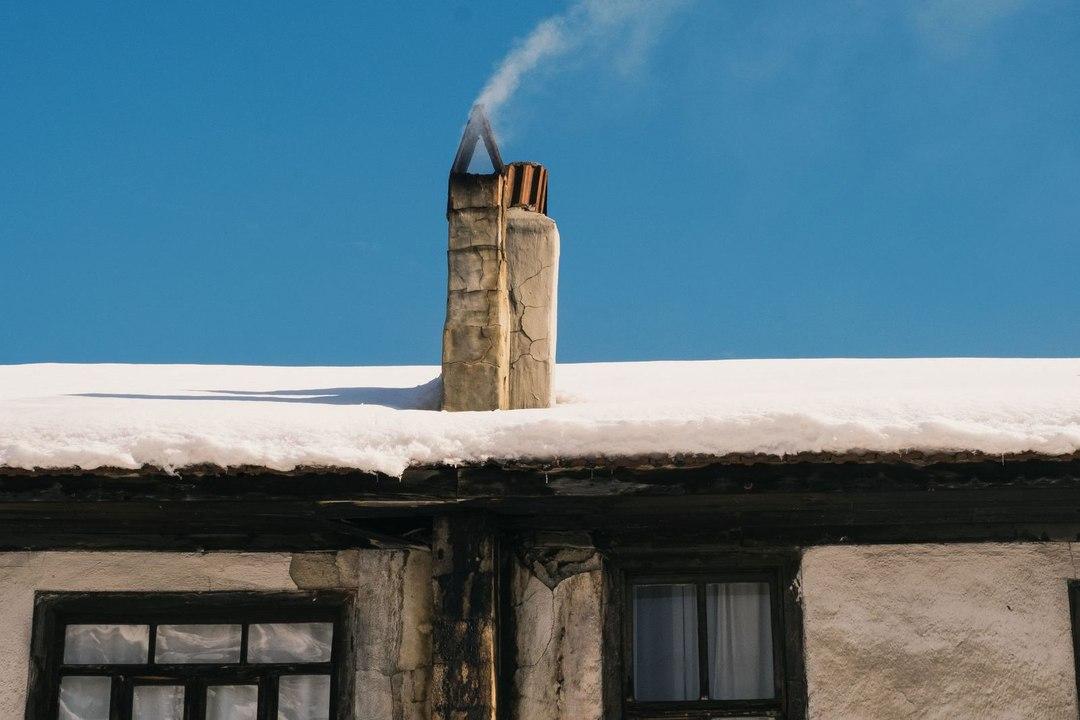
Short answer: for a sealed insert, almost always
Owners in San Fernando who pick a gas insert often expect it to use the chimney as it stands. A sealed insert does not work that way. It needs its own vent from the unit to the top of the chimney, and in a masonry chimney that vent is a liner. For an open log set the answer is different, and we cover that below.
Why an insert brings its own vent
A sealed insert takes in air from outside and pushes exhaust out, with the fire closed off from the room. To do that it needs two paths: one for fresh air in, one for exhaust out. Most units use two flexible aluminum pipes side by side, one connected to the intake and one to the exhaust, running up the old flue to a fitting at the top. Others use a single pipe with a second pipe inside it. The maker's manual sets which, how long and what size, and the unit is tested and listed with that setup.
An old clay flue cannot do that job on its own. It is one path, not two, and tile joints leak air. Venting a sealed unit into a bare clay flue breaks the maker's instructions.
When the old flue can stay as it is
A vented log set burns in the open firebox and sends exhaust up the chimney the way wood smoke did. If the camera shows the clay tile is intact, the joints are tight and the flue is clear, a log set can use it as it stands, with the damper held open. If the tile is cracked or offset, a liner may be needed for logs too. That is the camera's call, not ours.
Aluminum, stainless and why the manual wins
Owners sometimes hear that stainless is always the better liner. For a wood stove that is true, because wood exhaust is hot and corrosive. For gas, the insert maker names the vent kit the unit was tested with, and many call for flexible aluminum pipe sized to their collars. Others accept stainless. Fitting something the manual does not list, even something heavier, can void the listing and leave you with a unit no inspector will sign off. So we read the installation manual before we order a single length of pipe, and the liner on your quote is the one the maker wrote down. If you change insert models after the quote, the liner line may change with it, and we tell you before anything is bought.
What the camera decides
Before we price an insert, we run a camera through the flue as part of a Level 2 inspection, $395 with us. It shows:
- Whether the flue is straight or has offsets the liner must bend around
- Its inside size, which decides whether two pipes fit
- Cracked or missing tiles, which matter for any future use
- Old creosote, which should be swept out first, from $425
- The smoke chamber and damper area the liner has to pass through
What goes on top
The liner ends in a fitting at the top of the chimney, and the cap has to suit that fitting. A cap with us is quoted on site, and the price depends on size and material. If the crown under it is cracked, water reaches the top of the insert, so crown repair usually belongs on the same quote. See our crown repair page.
How the quote reads
Liner installation is not on our published price list. Its cost depends on the height of the chimney, the liner type the maker calls for, how many bends the flue has, and whether the smoke chamber needs work to let the pipe through. Because of that, the liner appears as its own line on the written quote, next to the insert, which runs $2,800 to $5,650 installed. You see both lines before deciding.
Ask for an insert and liner quote and tell us how many stories the house has, roughly how tall the chimney stands above the roof, and the insert model if you have picked one.
Damper, chase and other details
- The damper. The old cast iron plate usually gets taken out so the pipes can pass. Where it stays, we fix it so it cannot block the vent. Our damper repair page explains the options.
- Metal chimneys. Some houses have a factory-built chimney in a framed chase instead of brick. Those have their own rules about gas units, and the chase top may need a new cover. See our chase cover page.
- Quake damage. San Fernando houses took hard shaking in 1971 and again in the 1994 quake. A flue with offset tiles from either can still take a liner, but we show you the camera footage first.
Questions owners ask us
Can I reuse an old liner from a wood stove? Usually not. A gas insert's manual calls for its own vent parts.
Does the liner make the chimney safer? It gives the exhaust a sealed path to the top, which is what the insert was tested with.
Can I skip the liner to save money? Not for a sealed insert. If budget is tight, a log set may suit better. Our comparison post covers that choice.
The liner installation page shows the liner types we fit. When you are ready to price a switch, send us a note on the contact page and we will set up the camera visit.
Want Us to Look at Yours?
Quinlan Chimney Group moves fireplaces in and around San Fernando from wood to gas, and readies the chimney for it. Send the details and we will lay out the options that fit your house.